EXCLUSIVE BOGO SALE

Advertorial
My Daughter Threw Up at Dinner After Seeing What Was in Our Pantry. That Night, a Neighbor Changed Everything.
My Daughter Threw Up at Dinner After Seeing What Was in Our Pantry. That Night, a Neighbor Changed Everything.
One small device. Three outlets. The 11-month infestation was over in two weeks.

Claire Dunham, Homeowner, Lancaster, PA | April 2026
Claire Dunham, Homeowner, Lancaster, PA | April 2026

My daughter Audrey is eight.
She doesn't scare easy. She watches nature documentaries about sharks. She picks up spiders with her bare hands and carries them outside.
On March 3rd, she opened the pantry to grab a box of crackers for dinner and screamed so loud my husband dropped a plate.
Mouse droppings. Dozens of them. Scattered across the shelf where we keep cereal, crackers, pasta, rice — everything at Audrey's eye level. Small dark pellets mixed in with crumbs and chewed-through packaging.
A mouse had torn through a bag of rice. The grains were spilling out of the hole, mixed with droppings and what I later learned was urine residue.
Audrey stared at it for three seconds. Then she turned and vomited on the kitchen floor.
My husband cleaned it up. I threw away everything on that shelf. Audrey wouldn't eat dinner.
She didn't go near the pantry for six weeks after that.
The Problem That Started Small and Swallowed Our Home

The mice had started the previous April. One year before the pantry.
A single sighting in the garage. My husband set two snap traps. Caught one mouse. We thought it was over.
By June, scratching in the kitchen wall at night. More traps. Caught three over two weeks.
By September, droppings behind the stove. In the silverware drawer. Along the baseboards in the hallway leading to the bedrooms.
By December, the scratching was in three walls. I could hear it from our bedroom. My husband couldn't — or said he couldn't. I'd lie awake tracking the sounds while he slept.
I started sleeping with earplugs. Didn't help. The scratching was in the wall six inches from my head. Earplugs block noise from outside a wall. They don't block what's inside it.
By February, I found droppings in our bathroom. Under the sink in Audrey's bathroom. On the windowsill of our bedroom.
Then March. The pantry. Audrey screaming.
Eleven months. From one mouse in the garage to a colony that had spread through the entire house.
How Mice Took Away the One Thing I Was Most Proud Of

I'm the host in our family.
Thanksgiving at our place. Christmas Eve at our place. Summer cookouts, birthday parties, book club on the second Thursday of every month. I loved filling our home with people.
After the mice, I stopped inviting anyone over.
I'd walk through the house before a planned gathering, scanning every surface for droppings. Checking the pantry. Wiping the counters for the third time. Opening cabinets slowly, dreading what I'd find.
One night in October — seven months into the infestation — I cancelled book club 40 minutes before it started. Told the group I had a migraine. The truth: I'd found fresh droppings on the kitchen counter that afternoon and couldn't face the possibility of someone seeing a mouse while sitting in my living room.
By January, I'd cancelled everything. Thanksgiving had been at my sister-in-law's for the first time in twelve years. I made up an excuse about renovations.
My husband's coworker asked to stop by one Saturday. I said we were busy. We weren't.
Our neighbor Jeanette — who I'd had coffee with every week for three years — started texting me. "Haven't seen you in a while. Everything okay?"
I told her we were fine. We weren't.
I was ashamed. The kind of shame you don't talk about because the thing causing it feels too small to justify how terrible you feel.
It's mice. Not cancer. Not a bankruptcy. Mice.
But the shame was real. My home — the place I'd built my identity around being the person who opens the door — felt contaminated. And I couldn't let anyone see it.
$1,100 Exposed What Every Product Had in Common
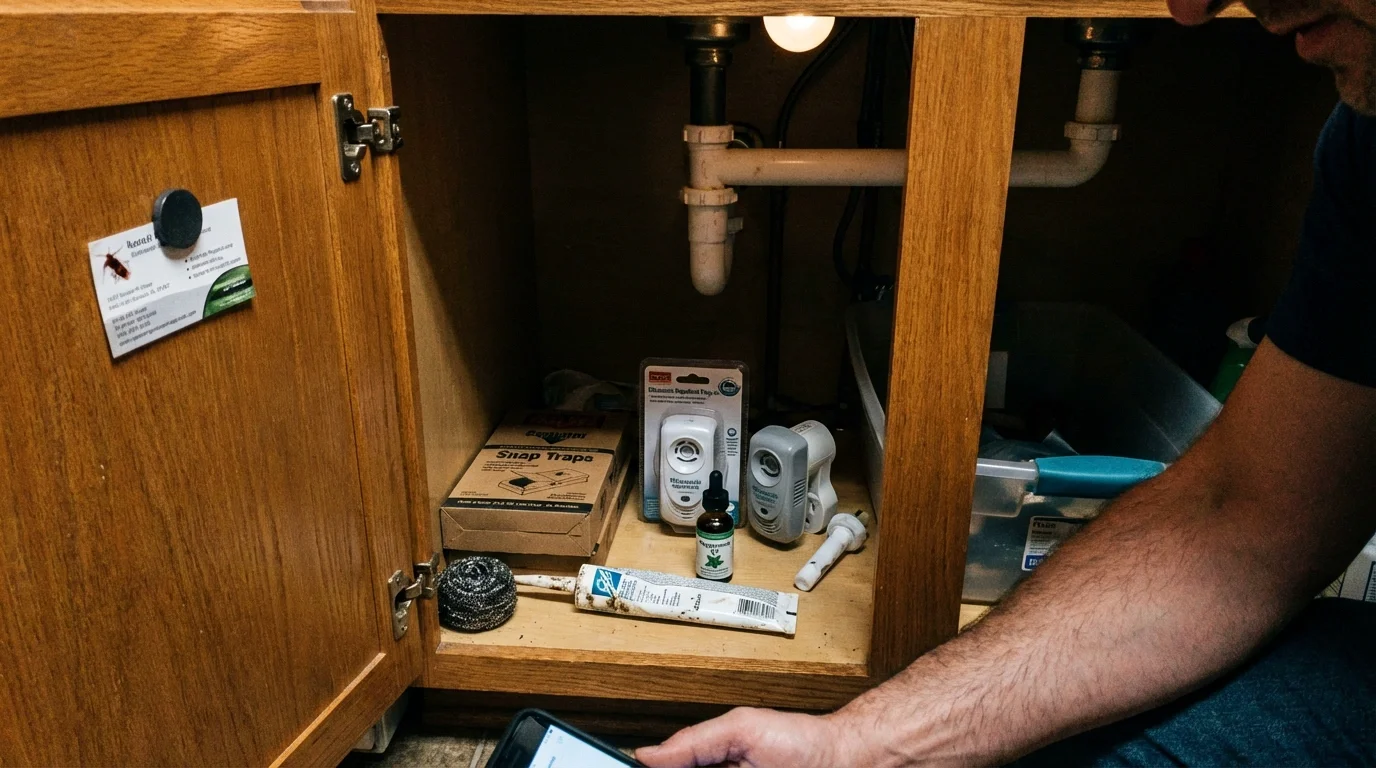
My husband tried to fix it the way he fixes everything. Methodically. Aggressively.
Snap traps everywhere. Kitchen, basement, garage, behind the stove, along the walls in the hallway. Caught 26 mice between April and March. Fresh droppings kept appearing every morning.
Steel wool and caulk. One weekend he sealed 17 gaps around pipes, vents, and foundation cracks. Cost about $40 in materials and an entire Saturday. Monday morning — new droppings in the pantry. They'd found another way in.
An exterminator. $380 for the first visit. Bait stations and more traps. The technician said: "Give it two to three weeks." The droppings slowed for about ten days. Then came back. He scheduled a follow-up at $120. We cancelled because the first visit hadn't done anything permanent.
Peppermint oil. My sister-in-law's suggestion. Soaked cotton balls, placed them along baseboards. Our house smelled like a spa. The mice didn't leave. I later read that researchers have found mice nesting directly inside cotton balls soaked in peppermint oil.
Ultrasonic plug-ins. Two of them from Amazon. $49.95 each. Nothing changed. I found out later the FTC sued companies selling these devices because sound waves bounce off drywall and never reach inside the walls where mice actually live.
$1,100 across eleven months. Twenty-six dead mice my husband handled before Audrey woke up. Fresh droppings every morning regardless.
Every product shared the same flaw — they all operated on the surfaces of our home. Countertops. Floors. The rooms we live in.
The colony lived somewhere else entirely. Inside the walls. And nothing we bought could reach it there.
The Night I Almost Listed the House

Two weeks after the pantry incident, I sat in my car in the driveway for 45 minutes before going inside.
Audrey was at a friend's house. My husband was at work.
I didn't want to walk into my own home. The home I'd dreamed about buying. The home where I'd hosted every holiday for twelve years. The home where Audrey took her first steps.
I sat there Googling "selling a house with mouse infestation" and "do you have to disclose pest problems when selling." The answer in Pennsylvania is yes. A known infestation must be disclosed. It can reduce the sale price by $36,000 to $72,000.
I wasn't thinking rationally. I was thinking like someone who'd lost control of the one place in the world she was supposed to control.
I went inside. Found droppings on the counter. Wiped them. Made dinner. Didn't say anything.
That was March 17th.
March 22nd changed everything.
Jeanette Walked Through My Front Door and a Mouse Ran Past Her Feet
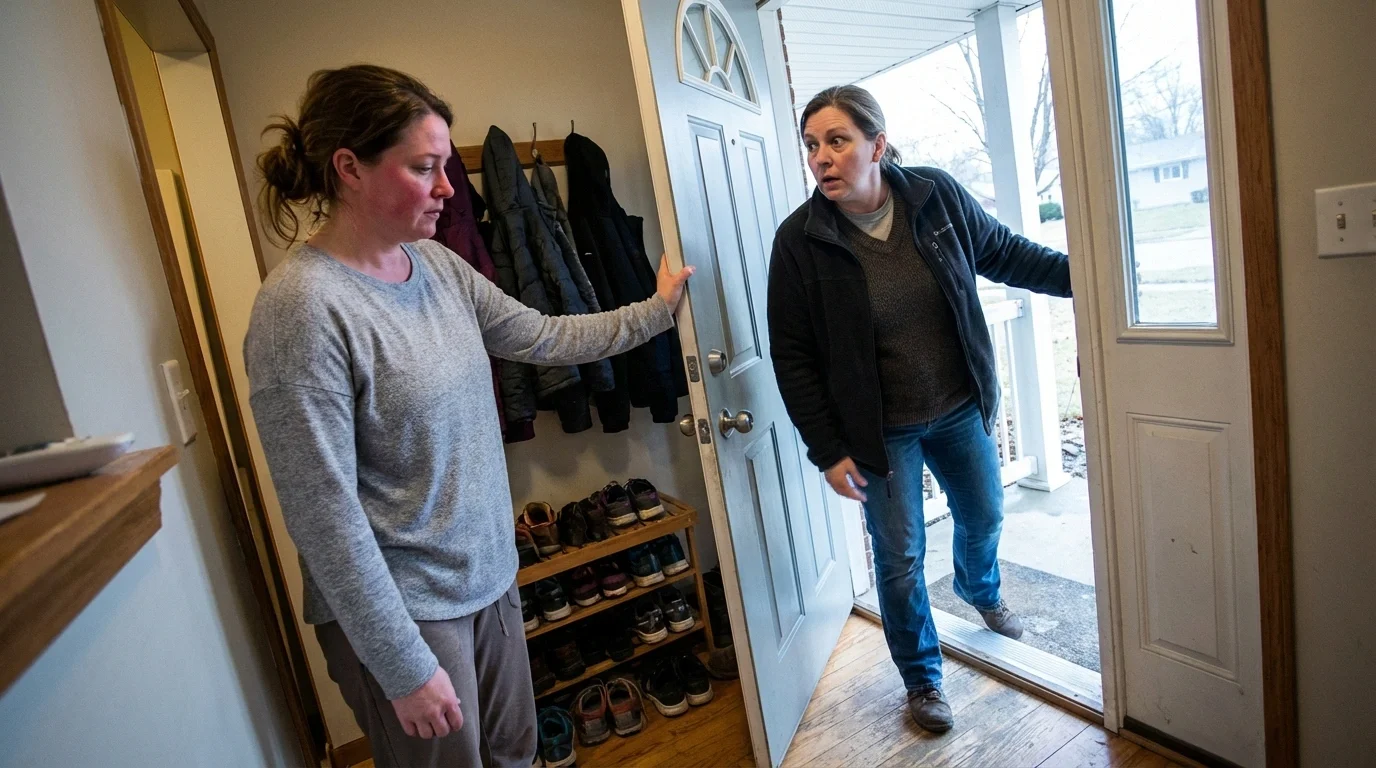
I'd finally agreed to let Jeanette come over for coffee. First visitor in months.
I'd spent two hours cleaning. Wiping every surface. Checking every cabinet. Hiding the traps behind the fridge where she wouldn't see them.
She knocked. I opened the door. And before I could say hello, a mouse bolted from behind the shoe rack in the entryway, ran between Jeanette's feet, and disappeared under the living room couch.
Jeanette took a step back. Looked at me.
"Do you... have mice?"
My face went hot. Eleven months of shame compressed into one sentence from a woman I'd been hiding from.
I told her everything. The traps. The exterminator. The droppings. The pantry. Audrey vomiting. The sleepless nights. The cancelled holidays. The car in the driveway.
She listened. Then she said something I didn't expect.
"I had them too."
"Had"
That word. Past tense.
Jeanette's house is a 1978 Cape Cod. Same neighborhood. Similar construction. She'd dealt with mice for almost a year before I even saw my first one.
"I tried everything you tried," she said. "Traps. Exterminator. Steel wool. My husband sealed every gap he could find. The mice found gaps he couldn't."
"What stopped it?"
She held up one finger. "Wait here."
She walked out my front door, crossed the yard to her car, and came back carrying a small white box.
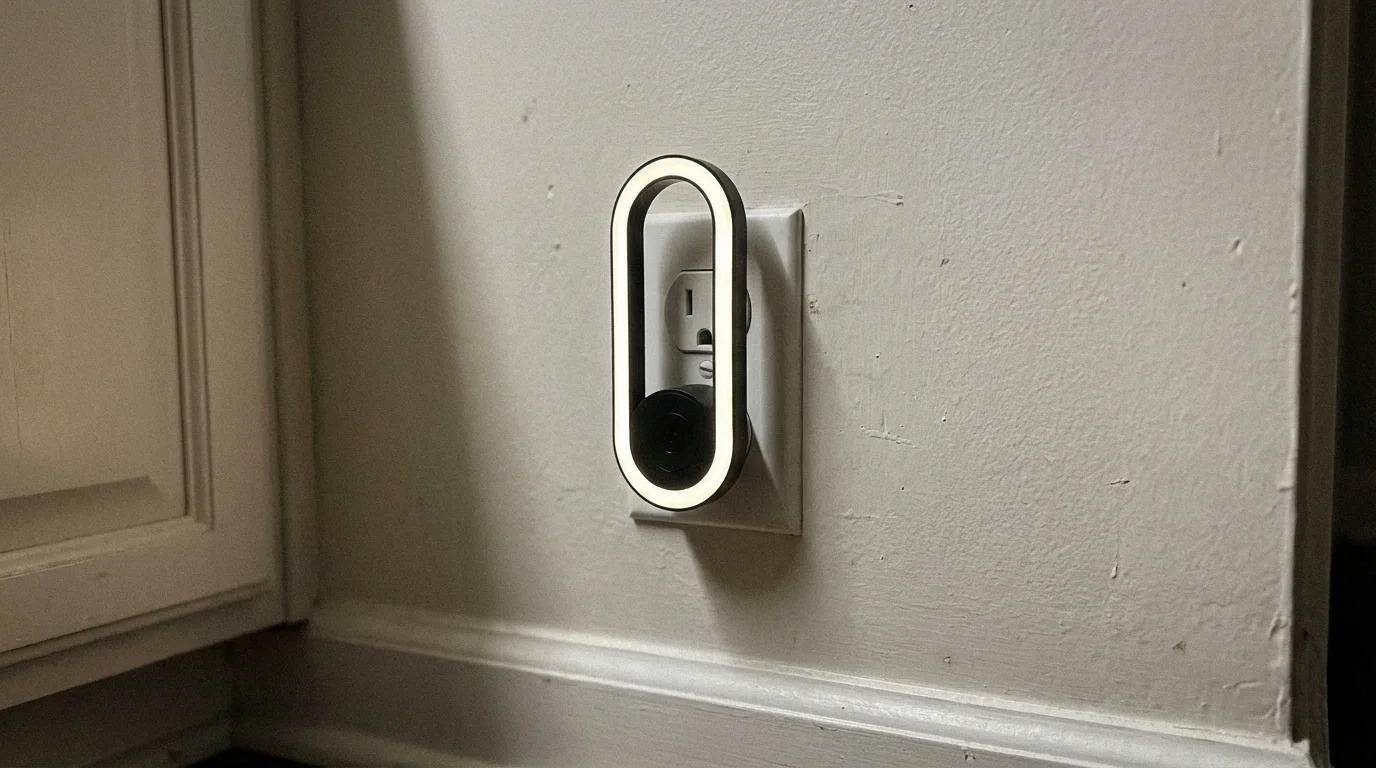
Inside were three devices. Each one smaller than a nightlight.
She walked through my house — kitchen, living room, basement — and plugged one into an outlet in each room.
I stared at her.
"What are those?"
"They use your electrical wiring," she said. "The copper wiring that runs through every wall in your house. They send electromagnetic pulses through it — into the wall cavities where the mice actually live."
"Isn't that just like those ultrasonic things?"
"Completely different. Ultrasonic sends sound. Sound bounces off drywall. These travel through the wire itself. Into the spaces behind the walls. Where the colony nests."
She explained that a researcher — Dr. Marcus Chen, 22 years at UC's Integrated Pest Management program — had discovered that mice navigate using electromagnetic fields generated by the wiring in your home. The device sends three frequencies through that wiring, cycling 4,000 times per second. Scrambles their navigation. Breaks down colony communication. Makes the wall voids unbearable.
"They don't die in there," Jeanette said. "They leave. Through the same gaps they came in. No rotting smell. No dead mice for Audrey to find."
I looked at the devices. Tiny. Silent. Plugged into outlets I'd walked past every day for twelve years.
"How long did it take?"
"Ten days. The scratching got weird around day three — erratic, confused. By day ten, the walls were quiet. Haven't heard a sound in five months."
She headed for the door. Turned back.
"Trust me."
10 Days Inside My Walls — After 11 Months of Failure

The devices Jeanette plugged in are called HomeShield.
I didn't believe they'd work. After $1,100 and eleven months, I didn't believe anything would work.
Night 1: Scratching in the kitchen wall, same as always.
Night 3: Different sounds. Frantic. Short bursts instead of the confident scurrying I'd gotten used to. Something was disrupting their routes.
Day 5: A mouse behind the dryer — disoriented, heading toward a gap in the foundation I didn't know existed. It squeezed through and disappeared outside.
Day 7: The scratching in the bedroom wall stopped. The wall between our room and Audrey's room — active for nine months — went silent.
Day 10: I walked through the house at midnight. Kitchen counters — clean. Pantry shelves — untouched. Audrey's bathroom — nothing. I opened the cabinet under the sink where I used to find droppings weekly. Bare.
Silence. Total silence.
I called Jeanette the next morning.
"It worked."
"I know," she said. "Five months of silence over here. You're going to forget they were ever there."
She was right. That was seven months ago. I haven't found a dropping since. The scratching hasn't returned. Audrey opens the pantry without flinching.
I hosted Easter at our house for the first time since the infestation started. Twelve people in my kitchen. No scanning the counters. No hiding traps. No shame.
My home is mine again.
What Other Families Are Saying
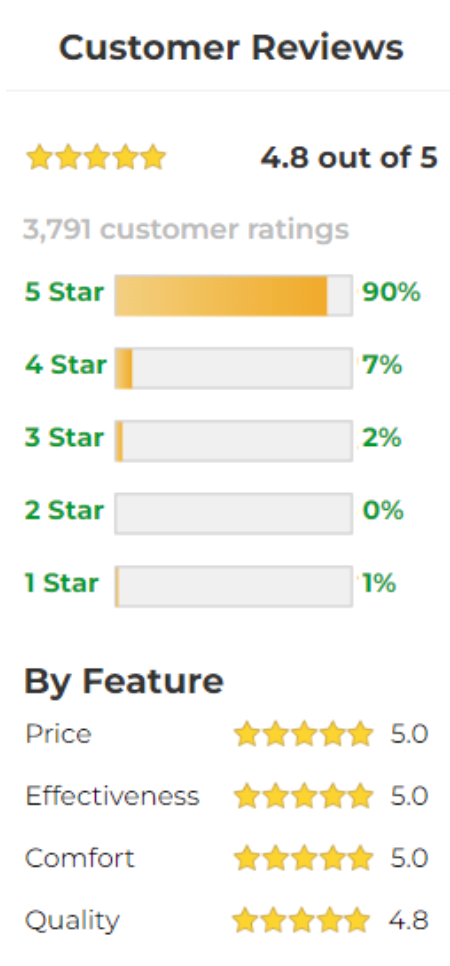
TRUSTED CUSTOMER REVIEWS


Karen M., 52, Duluth, MN:

"Snap traps, steel wool, two exterminators. Over $800. Plugged in HomeShield on a Thursday. By Sunday the scratching stopped. Four months now — I haven't found a single dropping. I wish I'd known before I spent a year carrying dead mice to the garbage at 6 AM."

Dave P., 48, Grand Rapids, MI:
"Got burned by one of those ultrasonic things from Amazon. Told my wife anything that plugs in is a scam. She bought HomeShield anyway. Two weeks — zero sounds, zero droppings. I was wrong. She still brings it up at dinner."

Susan K., 44, Columbus, OH:
"Six weeks of scratching above my bedroom. Every night. One week after HomeShield — silence. I slept through the night for the first time since October. I actually cried. That's how bad it had gotten."

Jim & Linda C., 61, Rochester, NY:
"$2,200 on pest control in three years. Our exterminator admitted he couldn't get inside the walls. HomeShield — house silent in five days. We cancelled the contract. The exterminator ordered one for his own house."
What You've Spent vs. What Actually Works
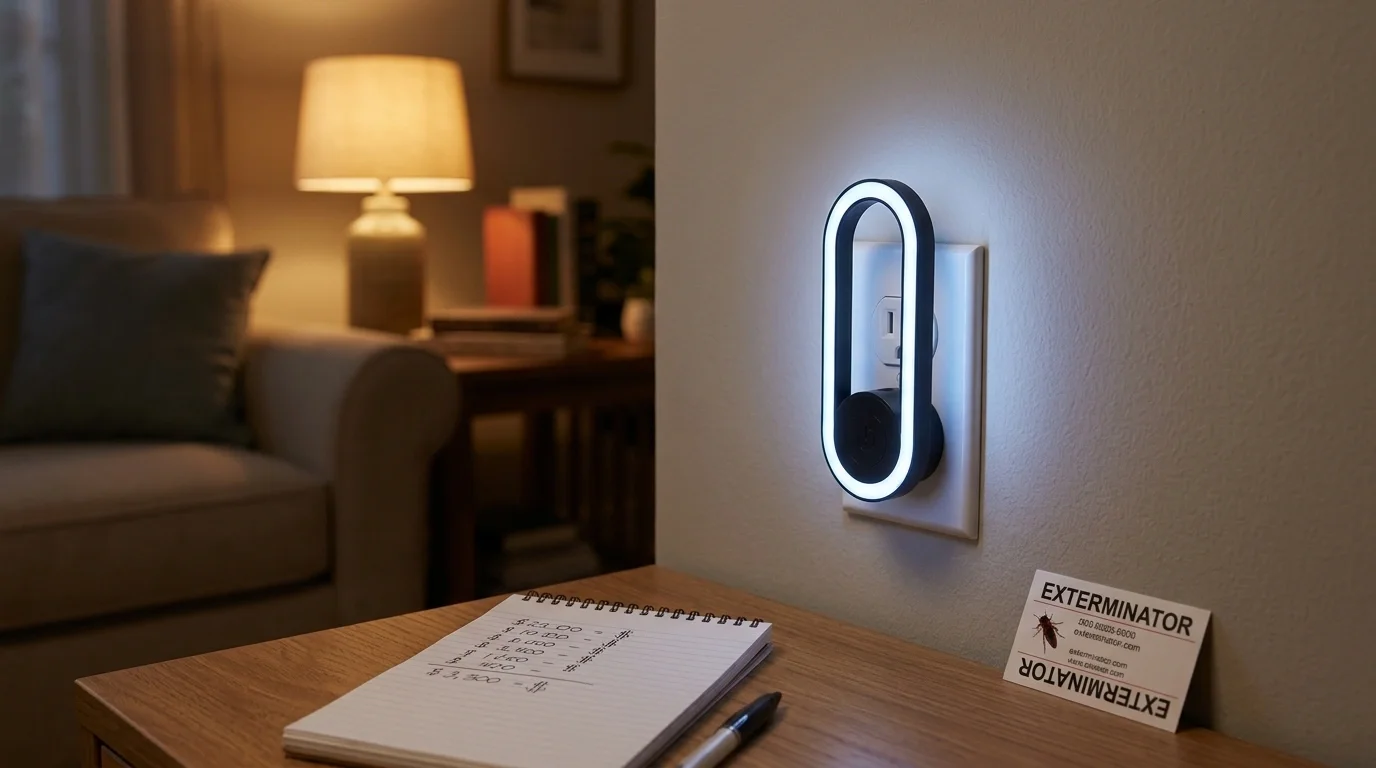
Traps, caulk, steel wool, peppermint oil, ultrasonic plug-ins, an exterminator or two. Most families I've talked to since writing this have spent between $500 and $1,800. Some over $2,000.
All of it targeting the surfaces. The counters and floors. The 4% of mice that leave the walls.
HomeShield costs less than a single exterminator visit. Works through infrastructure your home already has. Runs 24/7 on pennies. Reaches the 96% that nothing else touches.
One purchase. Then silence.
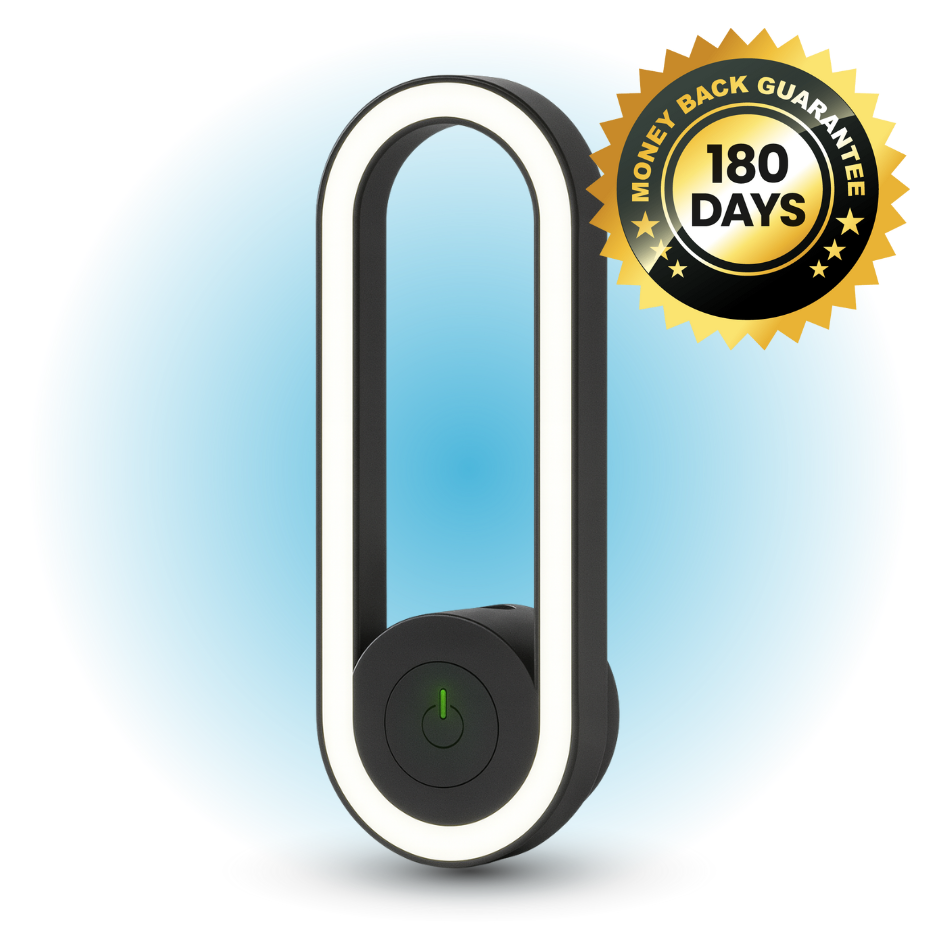
180 Days. Full Refund. No Risk.

I spent $1,100 on products with no guarantee except the receipt in the garbage.
HomeShield comes with 180 days. Six full months. Through an entire season.
If the walls aren't silent. If the droppings don't stop. If you don't feel the difference —
Full refund. No forms. No argument.
After eleven months of failure, that guarantee was the reason I didn't argue when Jeanette plugged them in. The worst case was getting my money back. The best case was getting my home back.
I got my home back.
You Know Which House Yours Is Right Now
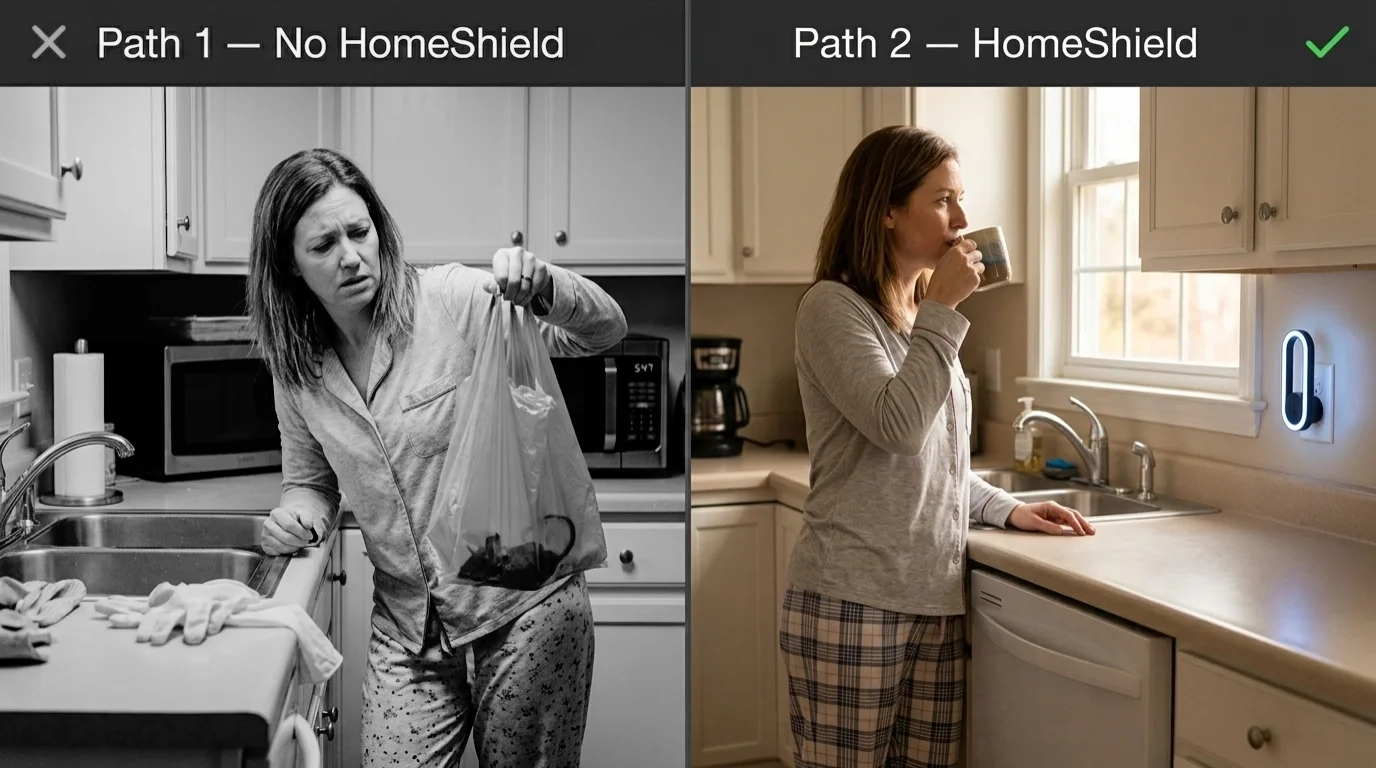
❌ House A: The one where you scan the counters before anyone visits. Where you hide traps behind the fridge when guests come over. Where your daughter won't open the pantry. Where you cancelled Thanksgiving and lied about why. Where the scratching at midnight makes you feel like a stranger in your own home. Where you've spent hundreds — maybe over a thousand — on products that fight the 4% while the colony behind the drywall breeds untouched.
✅ House B: The one where Jeanette lives. Silent walls. Clean counters. A pantry your kids open without flinching. Guests every weekend. A home that feels the way it's supposed to feel — like yours.
The difference between those two houses isn't luck. It's not construction. It's not cleanliness.
It's whether the wiring inside the walls is working for you or for the colony.
Jeanette figured it out five months before I did. I wish she'd come over sooner.
Don't wait for your Jeanette. Be the one who figures it out first.
P.S. — Audrey started opening the pantry again in May. She doesn't check the shelves first anymore. She just reaches in and grabs what she wants — the way an eight-year-old is supposed to. That's the moment I knew it was really over. Not the silence in the walls. Not the clean counters. The moment my daughter stopped being afraid of her own kitchen.
P.S. — I wish every parent knew this before they spent months spraying poison on their floors while their children crawled through it. Before they watched their kids suffer with "unexplained" symptoms that had a very simple explanation. HomeShield costs less than two months of exterminator visits. And it actually works—without hurting anyone in your family.
P.P.S. — That red bump on your child's arm? It might be a mosquito bite. Or it might be the first sign that something in your walls is making them sick—and something under your sink is making it worse. HomeShield solves both. Safely. Finally.
P.P.S. — A colony doubles roughly every 60 days under normal breeding conditions. The one inside your walls right now is larger than it was two months ago and will be larger still by summer. HomeShield sold out twice last fall when demand surged. Units are available today. At current order volume, inventory won't hold through the week.
Recommended

Copyright © 2025 HomeShield™| All Rights Reserved